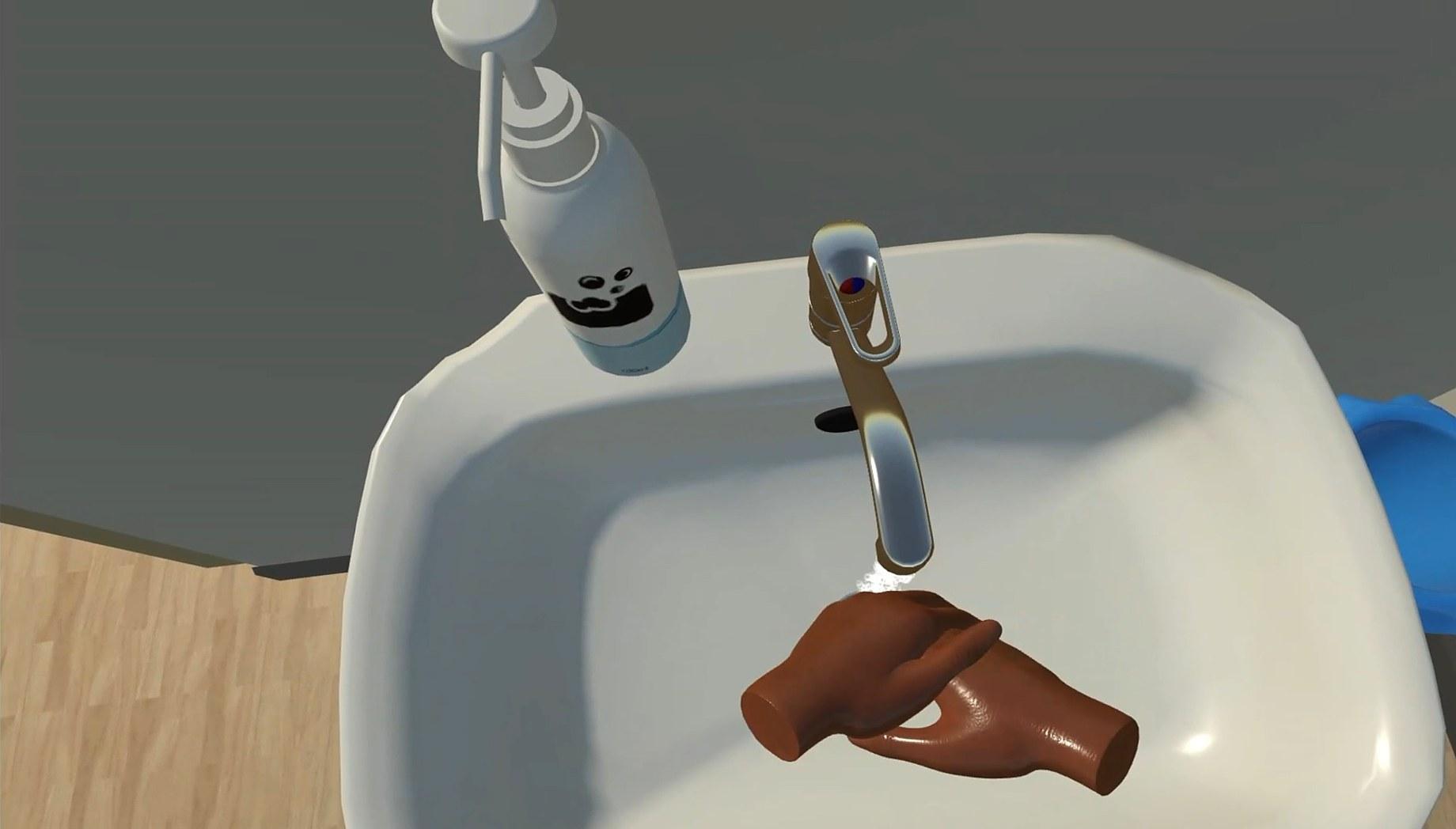
Wash and prepare
Exams start at the sink. Hand hygiene and room preparation are part of the workflow, the same as on a clinical rotation.
2026 offer: a free Meta Quest 3S or a hardware credit with every 10 full-price one-year radiography licenses. Details

Radiography simulation
A working X-ray room in a headset or on a laptop. Students run the whole exam, from hand hygiene to image critique, and every radiograph is built from their own choices.
See it
Pick an exam to watch a student work through it in real time.
Silent recordings from X-ray Pro VR, played in real time.
Technique on the tube head, then the detector tray, then the light field. The student centres the crosshair on the patient and checks alignment against the detector below.
The workflow
X-ray Pro VR doesn’t skip to the exposure. Students prepare, position, set technique, and critique, in the same order they will on a clinical rotation.
Exams start at the sink. Hand hygiene and room preparation are part of the workflow, the same as on a clinical rotation.
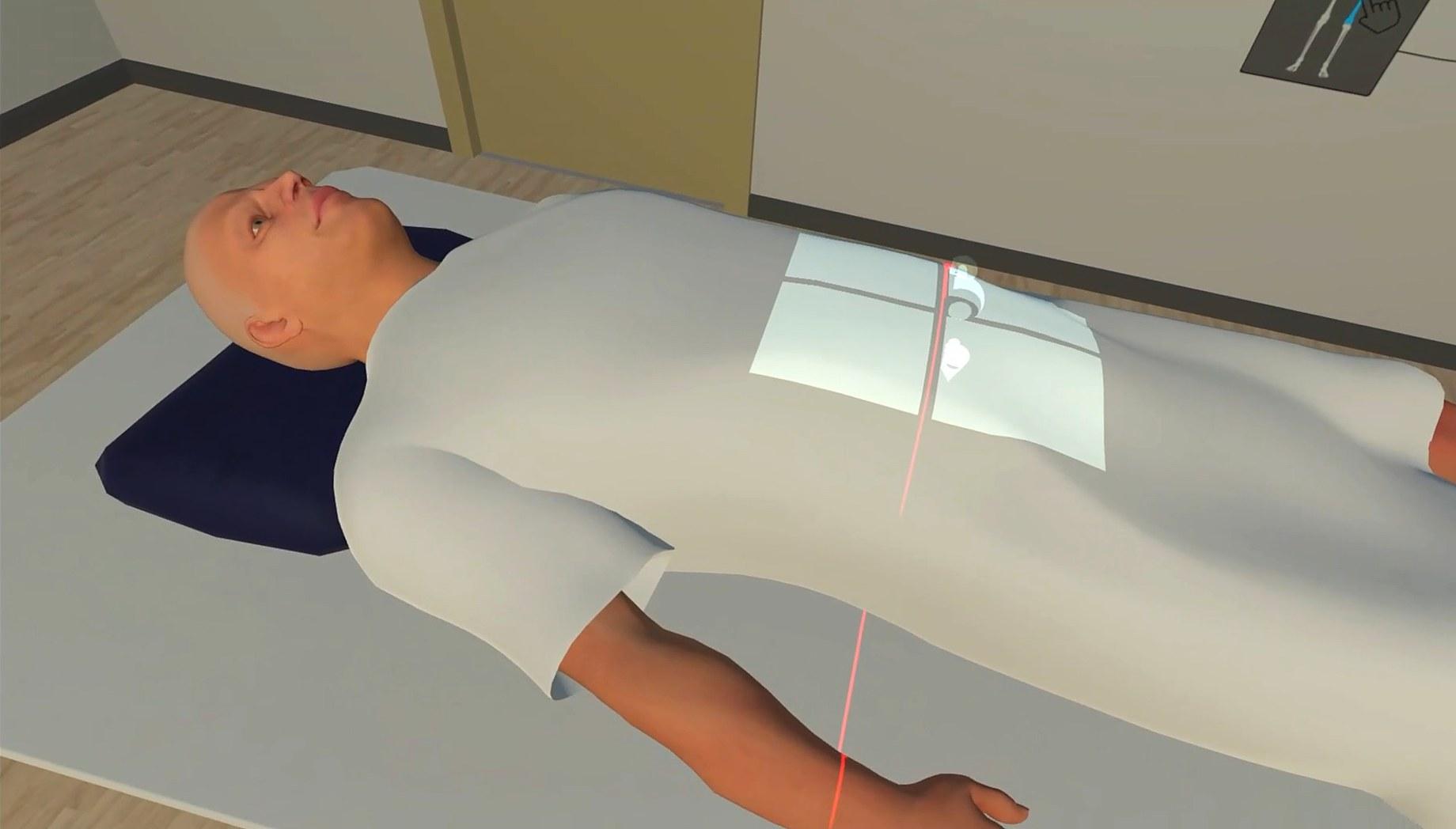
Students move the patient, the table, and the tube with their own hands. Haptic feedback marks bony landmarks like the jugular notch and iliac crests.
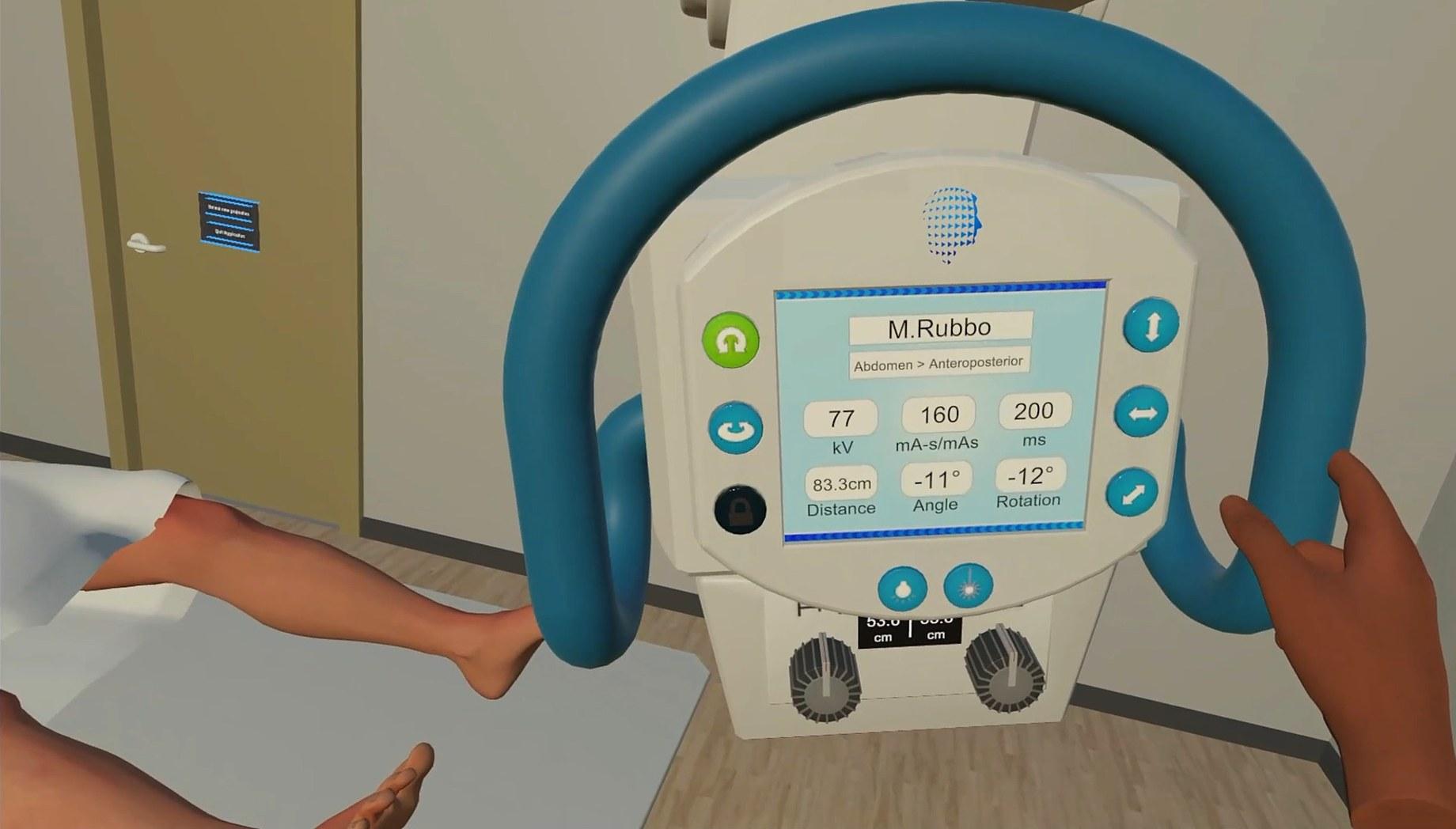
kVp, mAs, SID, and AEC change the radiograph the way they would on real equipment, including quantum mottle when the exposure is too low. Students work on both CR and DR.
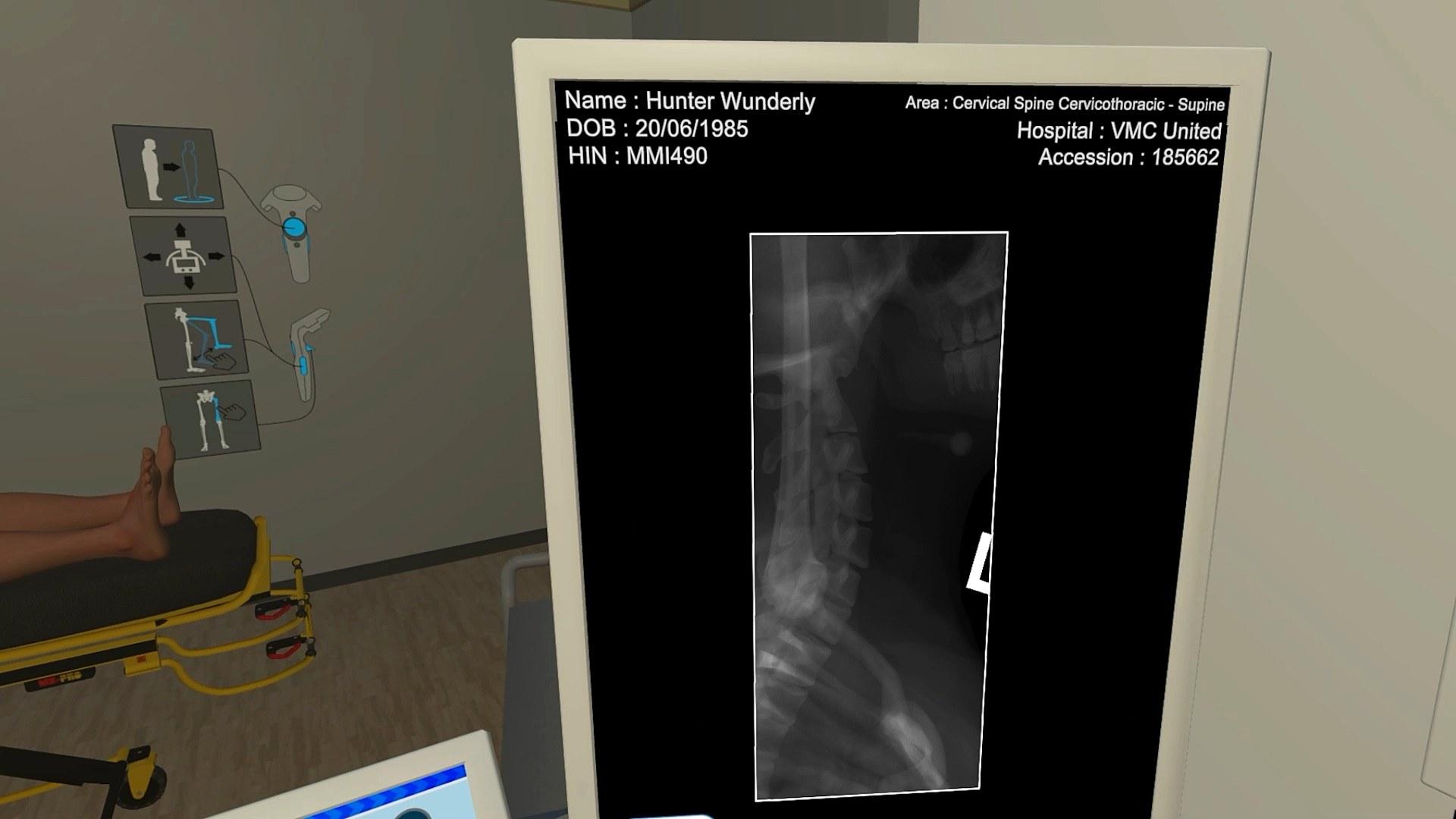
Every exposure lands on the review monitor, where the student appraises positioning, collimation, markers, and exposure before deciding whether to repeat.
Assessment and analytics
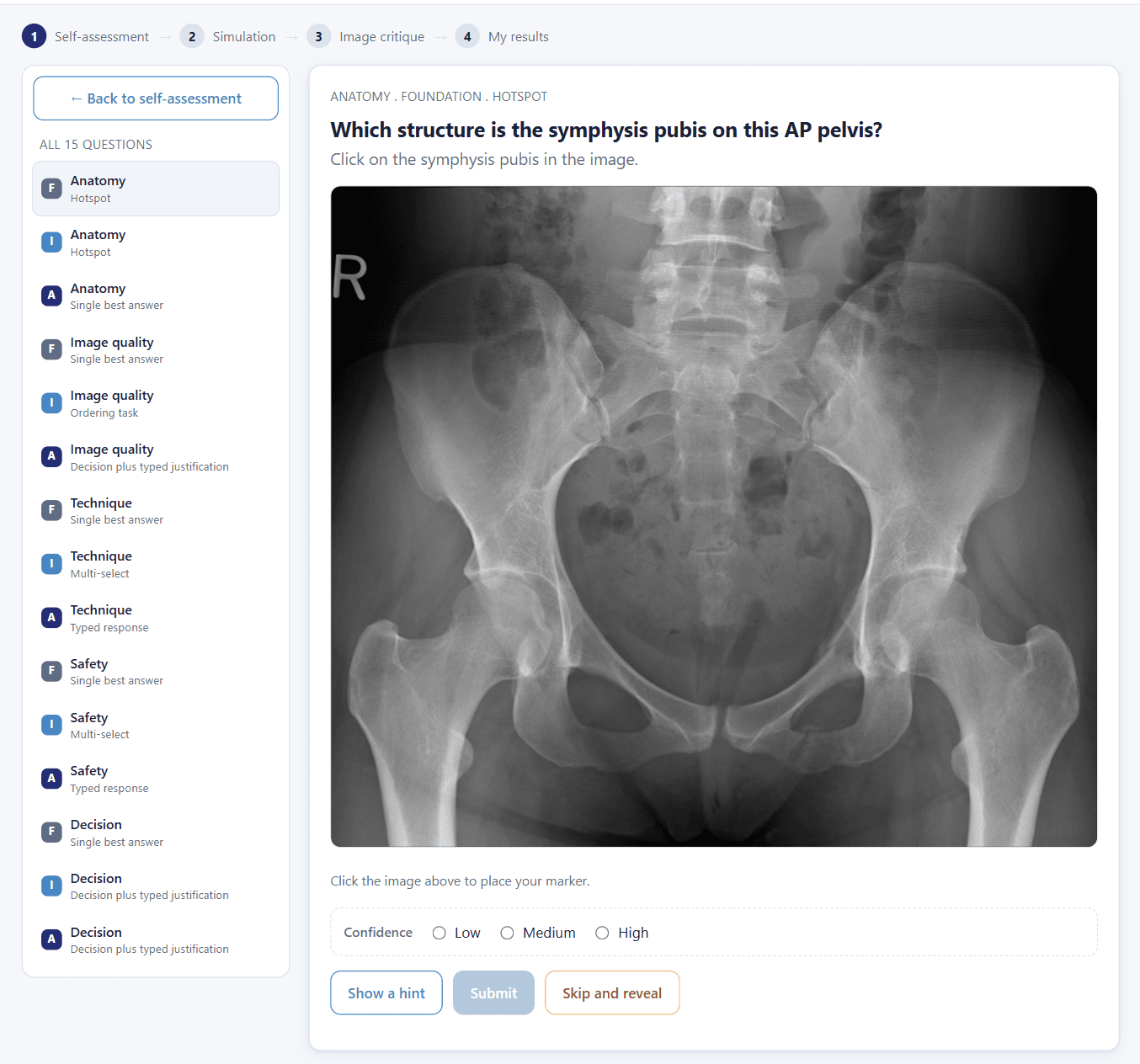
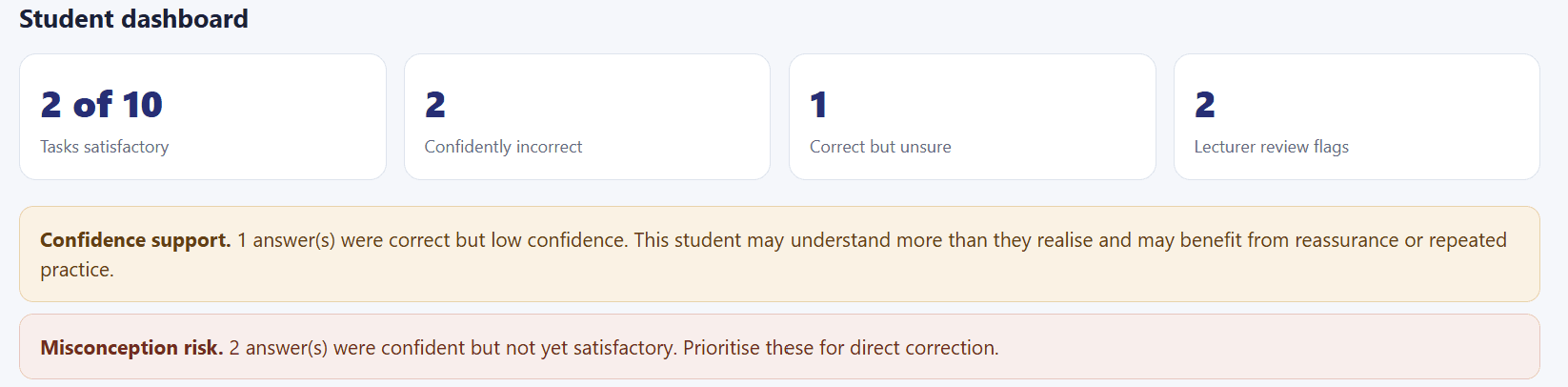
Between headset sessions, students work through self-assessment for each exam: anatomy, image quality, technique, safety, and clinical decisions. Every answer carries a confidence rating, so a student who is sure of the wrong answer gets flagged long before it shows up on a clinical rotation.
What’s included
2026 hardware offer
Through 2026, every 10 full-price one-year radiography licenses come with a free Meta Quest 3S or a hardware credit, so your first headsets are covered.
Questions
XRT Solutions, based in Greenville, South Carolina, is the US distributor for Virtual Medical Coaching’s X-ray Pro VR. Deborah Burton, R.T.(R)(T), CMD, handles demos, quotes, and support for US programs.
It runs untethered on Meta Quest 3 and Quest 3S, with no PC or cables. It also runs on PC-connected headsets, including HTC Vive, Vive Pro, Vive Pro 2, Valve Index, and Meta Quest with Link or Air Link.
No. X-ray Pro VR also runs as a desktop app on Windows and Mac, so students can practise the same procedures on a laptop. Students with a compatible headset at home can use it outside class.
Both. Students learn how exposure factors affect the image on computed and direct digital systems before they touch post-processing.
It depends on your budget and how you teach. Institutions run anywhere from one headset per 15 students to one per 30.
Each license is for one named learner and is designed to cover a full degree. There are no site-wide or per-headset licenses, so every student’s progress and assessment records stay their own.
Yes. In 2026, every 10 full-price one-year radiography licenses come with a free Meta Quest 3S or a hardware credit.
Tell Deborah about your program. She’ll set up a live demo in VR or on desktop and answer your questions about licensing, hardware, space, and funding.
Deborah answers every message herself. Or email deborah@xrt-solutions.com